
From the blog
How to Germinate Cucumber Seeds for Hydroponics
Cucumber seed sprouts fast when it is warm, moist and fresh. Here is how to get it going for a Kratky container, either sown straight into the lid or sprouted first.
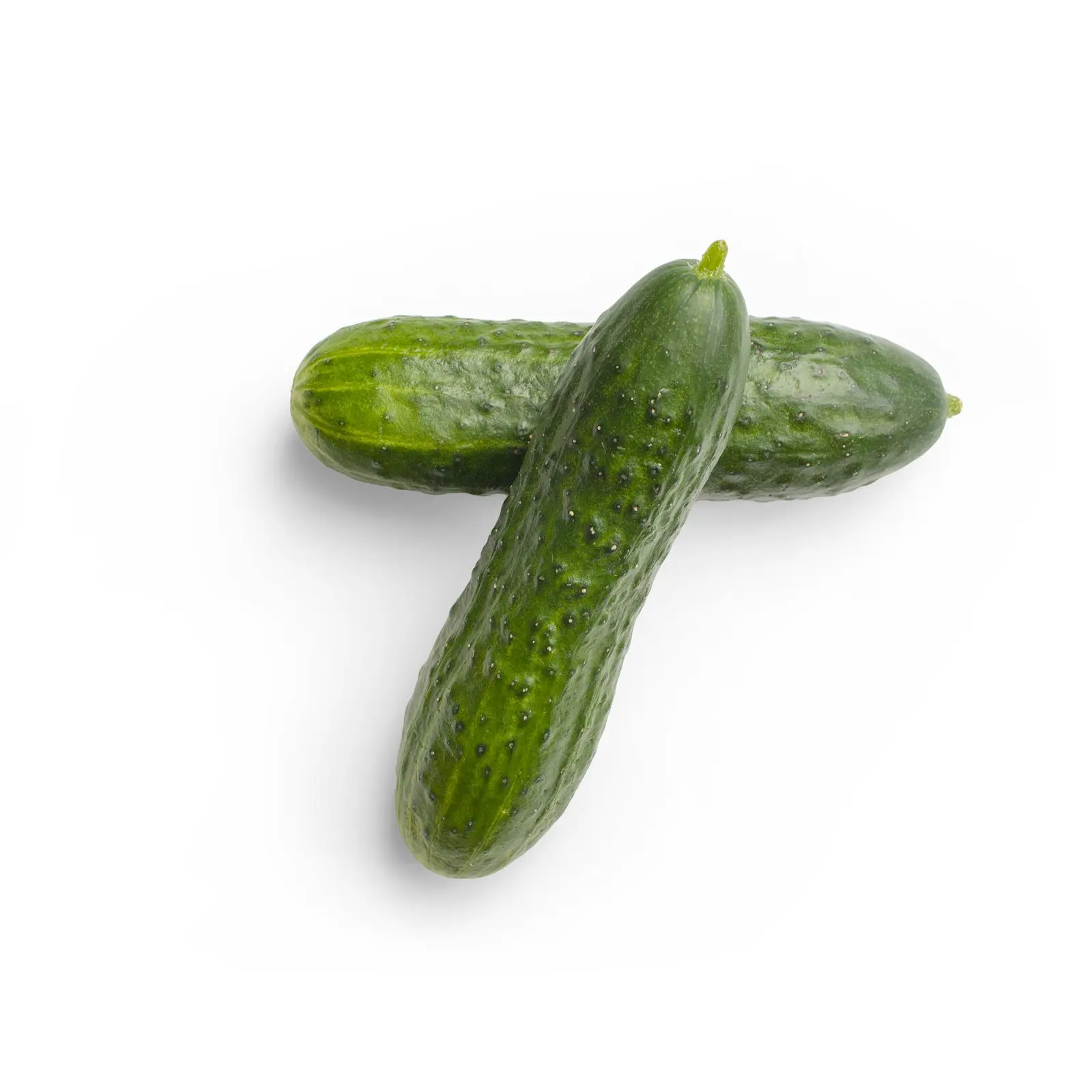
Knowing how to germinate cucumber seeds for hydroponics saves weeks. A cucumber seed that sits cold and wet rots, and one that dries out stops. Get the warmth and moisture right and most seeds are up within a few days, ready for the Kratky cucumber guide's next step.
What a cucumber seed needs
- Warmth. The University of Alaska Fairbanks greenhouse guide germinates seeded cucumber types at 70–75°F (21–24°C) and seedless greenhouse types a little warmer, at 80–82°F (27–28°C). Below about 60°F (16°C) germination stalls.
- Steady moisture. Damp, not soaking. The medium should feel like a wrung-out sponge.
- Fresh seed. Dr. Kratky warns that heat and humidity destroy seed viability, and suggests keeping cucumber seed in the refrigerator from the day you buy it. If nothing sprouts, poor seed is the first suspect.
Light isn't needed until the seedling breaks through, but it is needed straight away after that, or the stem stretches thin and weak.
Option 1: sow straight into the lid (Kratky's way)
In Kratky's own cucumber instructions the seed never moves. He fills a tapered tube (or a net pot) with growing medium, sows one cucumber seed about ½ inch (1 cm) deep, and sets the tube snugly in the lid of the filled container, with the bottom of the tube in the nutrient solution. The medium wicks moisture up, and if it stays dry he adds a teaspoon of water. He reports the seed should come up in 2 to 5 days.
This is the simplest route and it never disturbs the roots, which cucumbers dislike. It does mean the full container is filled and waiting from day one, so it works best when you already have the right size container set up.
Option 2: sprout first, then move it
Sprouting first lets you pick the strongest seedlings and keeps the big container free for longer. Two common ways:
- Paper towel. Soak the seeds for a few hours, fold them in a damp paper towel, slip it into a plastic bag and keep it somewhere warm. Check daily. As soon as a root tip shows, move the seed into a net pot of moist medium, root down.
- Starter cubes. Sow one seed per pre-soaked rockwool or coco plug, about ½ inch deep, and keep the tray warm and covered until the seedlings appear.
Either way, move the seedling while it is still small. Our post on when to transplant cucumber seedlings covers the timing.
Warmth without a heat mat
The top of a refrigerator, a warm cupboard or a spot near (not on) a heater all work for a bag of seeds. Once the seeds are in plugs or in the lid, a seedling heat mat is the easiest way to hold the medium near 70–75°F, but a warm room does the same job more slowly.
When seeds don't come up
- Too cold: seeds sit for a week or more, then rot. Move them somewhere warmer.
- Too wet: a waterlogged plug starves the seed of air. Let the plug drain before sowing.
- Too dry: the medium in a lid tube can stay dry if the tube isn't deep enough in the solution. Kratky keeps the bottom 1 to 3 inches (2–8 cm) of the tube submerged at the start.
- Old seed: try a few seeds in a damp paper towel to test the packet before filling a container.
Choosing the variety comes before all of this. Parthenocarpic (seedless) types are the easiest indoors, because they set fruit without pollination: see the best cucumber seeds for hydroponics and the best varieties for Kratky.
Which medium to use
Any clean, airy medium that holds moisture works for germinating cucumber seeds:
- Rockwool cubes hold water well and are easy to handle. Soak them first and let them drain, so they're moist but not dripping.
- Coco coir plugs behave much like rockwool and are easy to buy in starter trays.
- Peat-based starter plugs work too, though they can dry out quickly near a heat source.
- Clay pebbles are good around the plug in a net pot, but too coarse to sow a seed into directly.
Kratky's own instructions fill the tube with "growing medium" and stress tapping it to settle it without packing it tightly. A medium packed hard holds too little air for a germinating seed.
A simple timeline
| When | What happens |
|---|---|
| Day 0 | Sow ½ inch deep in moist medium, or fold into a damp paper towel |
| Days 2–5 | Root tip appears; seed leaves push up (longer in a cool room) |
| Days 5–10 | Seed leaves open fully; give strong light now |
| Weeks 2–3 | First true leaf; roots show at the bottom of the plug: time to move it |
Sow two seeds per plug or tube if your seed is old, and snip off the weaker seedling at soil level once both are up. Pulling it out can damage the roots of the one you keep.
Sources
- Kratky, B.A. The Wheel Garden (includes growing hydroponic cucumbers in a plastic storage container). University of Hawaii CTAHR.
- Kratky, B.A. (2004). A suspended pot, non-circulating hydroponic method. Acta Horticulturae 648, 83–89. University of Hawaii CTAHR.
- University of Alaska Fairbanks Cooperative Extension: Growing cucumbers in greenhouses
- Utah State University Extension: How to grow cucumbers in your garden
Questions
How to Germinate Cucumber Seeds for Hydroponics: Questions
How long do cucumber seeds take to germinate in hydroponics?
In warm conditions, usually 2 to 5 days. Dr. Kratky gives that range for seed sown straight into a lid tube. In a cool room it can take a week or more.
Should I soak cucumber seeds before planting?
A few hours of soaking can speed things up slightly, but it isn't required. Long soaks can drown the seed. Sowing dry seed into damp medium works well.