
From the blog
Saving Cucumber Seeds
Saving seeds from a cucumber you grew is satisfying and free, but only some cucumbers are worth saving from. Here's how to tell, and how to do it.
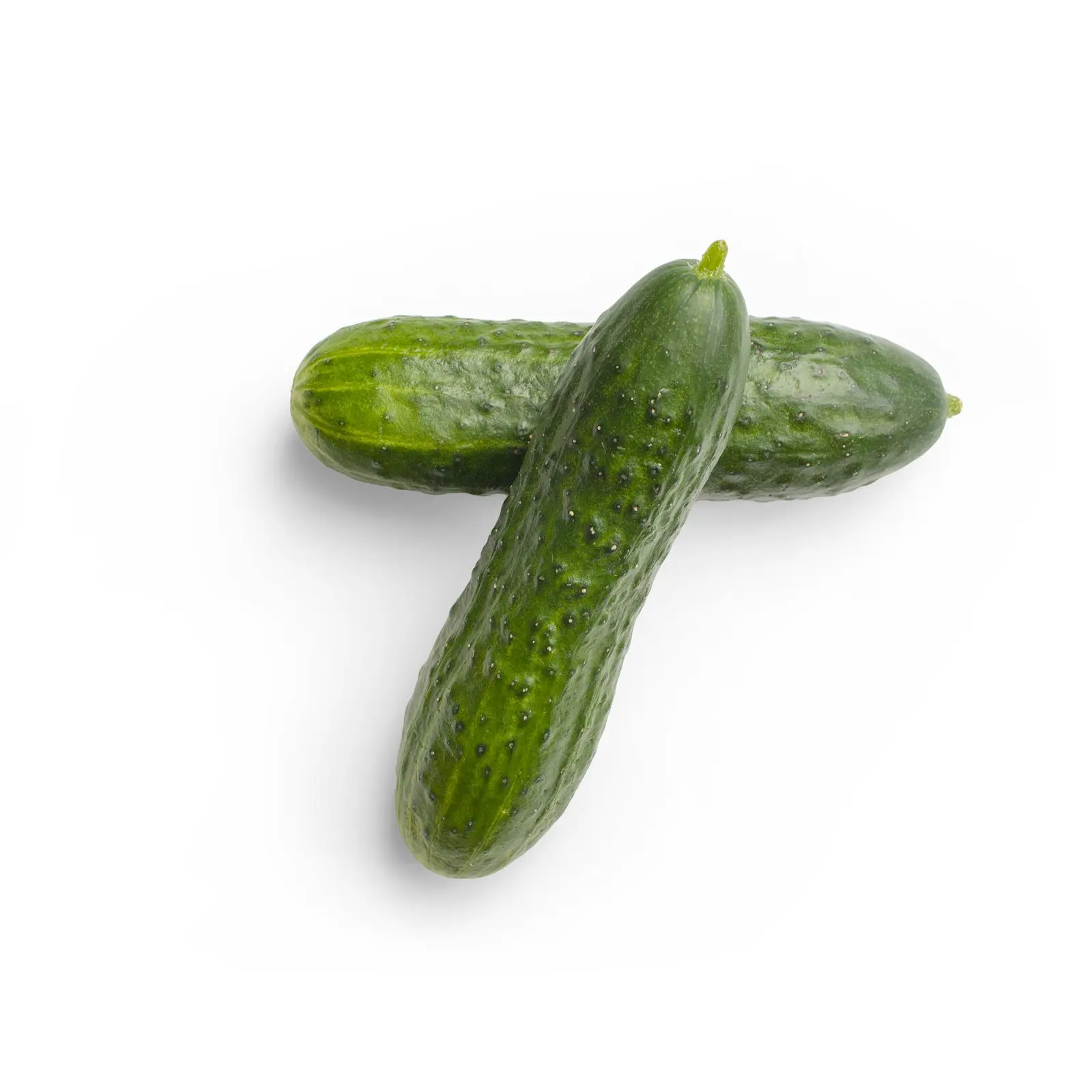
Saving cucumber seeds can give you next year's crop for nothing. Whether it works depends almost entirely on the variety you grew, so check that first.
Step 1: check the variety
- Hybrid (F1) varieties: skip them. The University of Illinois Extension explains that hybrids come from crossing two parent plants, and their seeds don't grow true. You'd get a mix of plants unlike the one you grew.
- Seedless (parthenocarpic) greenhouse types: usually hybrids too, and grown without pollination, so they make few or no viable seeds.
- Open-pollinated and heirloom varieties: these are the ones to save. Their seed grows into plants like the parent, as long as no other cucumber variety pollinated them.
The seed packet or catalog tells you. For choosing varieties, see the best cucumber seeds for hydroponics.
Step 2: avoid crossing
Cucumbers are pollinated by insects, and different cucumber varieties cross with each other. Illinois Extension, citing Seed Savers Exchange, lists an isolation distance of 800 feet to half a mile between cucumber varieties. Squash, melons and watermelons won't cross with cucumbers, because they're different species.
A Kratky grower has an advantage here: one vine indoors or alone on a balcony is already isolated. Or hand-pollinate a female flower and tie it shut so no insect can visit: hand pollinating cucumbers indoors.
Step 3: let one fruit ripen fully
Seeds in a cucumber you'd eat aren't ripe. Leave one fruit on the vine well past eating size, until it turns yellow or orange-brown and starts to soften. Mark it so you don't pick it by mistake. Expect the vine to slow down while it ripens: see overgrown cucumbers.
Step 4: ferment and clean
Cucumber seeds sit in a gel coating. Illinois Extension's wet-harvesting method:
- Scoop the seeds and pulp into a jar with a little water.
- Leave it to ferment for 2 to 4 days, stirring daily. Fermentation breaks down the gel.
- Good seeds sink. Pour off the floating pulp and seeds.
- Rinse the good seeds and spread them on a paper towel or fine screen to dry.
Step 5: dry and store
Dry them in a single layer somewhere cool and airy until they snap rather than bend. Store them cool and dry in a labeled paper envelope (variety and date), inside a glass jar to keep pests out. Dr. Kratky's advice on bought seed applies here too: heat and humidity destroy seed viability, so the fridge is a good place for the jar.
Test before you rely on them
Before next season, sprout ten seeds in a damp paper towel. If eight come up, you have 80 percent germination. See how to germinate cucumber seeds for hydroponics.
Choosing which fruit to save
Save seed from your best plant, not just the first fruit you forget to pick. Look for:
- A vine that stayed healthy longest and gave the most fruit.
- Fruit with the shape, size and flavor you liked.
- No sign of disease. Some cucumber diseases, including angular leaf spot, can be carried on seed.
Saving from more than one fruit, or from several plants of the same variety, keeps more of the variety's natural diversity.
How many seeds you'll get
A fully ripe open-pollinated cucumber holds plenty of seeds, more than a home grower needs for a season. One ripe fruit easily covers next year's Kratky containers, with plenty to share with friends or swap at a seed library.
Labeling
Illinois Extension recommends labeling each container with the plant name, variety and date. Add where it grew and anything notable (indoors, early crop, disease-free). Seeds look alike, and a year from now you won't remember which envelope came from which vine.
Starting next season's crop from your saved seed? See how to germinate cucumber seeds for hydroponics.
Sources
Questions
Saving Cucumber Seeds: Questions
Can you save seeds from store-bought cucumbers?
Usually not usefully. Most are hybrids or seedless types, and they're picked before the seeds ripen.
Do cucumber seeds need to be fermented?
It isn't strictly required, but a 2 to 4 day ferment removes the gel coating and helps separate good seed from bad, as University of Illinois Extension recommends.